The first principle of going international is to recognize and appreciate the diversity of countries in the global economy. One might even say that cultural barriers are the most important ones when entering a foreign market. I can not emphasize enough the importance of understanding the foreign market´s societal culture, as it represents an invisible market factor crucial for the success of the market entry. Culture being an invisible concept makes it far more difficult to develop an understanding of it, unlike other explicit market entry barriers such as tariffs and inspections.
So what exactly will we require this cultural sensitivity for?
For one, societal culture is closely interrelated with business culture. It will help us understand organizational practices and corporate cultures of our potential business partners in the foreign market and help us prepare for business meetings and deals by giving us an idea of their underlying thoughts and motivation. In addition, it will help us recognize potential customers´ wishes and desires so that we can stay on the right side of social etiquette with our communication channels and marketing tools.
According to theculturetrip, Tanzania is a largely homogeneous society that is rich in old cultures and traditions. Tanzanian culture is Swahili (Arab/African mix), but Asian communities such as Indians are also present. Rural areas are majorly inhabited by tribes and a variety of religious beliefs are represented all around the country. What this signifies is that we should focus on learning about Swahili culture primarily, while maintaining awareness of cultural influences by other minority groups that we might be confronted with.
Languages
Swahili is the national language of Tanzania, however, the two official languages are Swahali as well as English, which is due to previous British colonialization. English typically occurs in higher education, governmental administrative services and in commercial communications. The fact that 130 other languages are spoken within the country should be considered for business decisions.
Greeting and Table Manners
Locals are generally known for being friendly and kind to visitors. The correct way to greet and part with locals is per handshake throughout the whole country. Please bear in mind that this should be done using your right hand. Overall, we should make sure to keep our left hand to ourselves, as Tanzanians only eat with their right hand and expect guests to do the same. The underlying cultural belief is that the right hand is clean, making it appropriate for picking up food and greeting people, whilst the left hand is considered as dirty and is used majorly inside the bathroom.
While we already cut into the topic of table manners, let us bear internalize that in Tanzania, cultural beliefs dictate that food is only smelled if there is something wrong with it, which is why sniffing food is considered as highly insulting to the cook. Ignoring these table norms could be a deal-breaker for business dinners, so please avoid them.
Everyday behaviors and dress code
Tanzanians tend to have strong family ties and a traditionally upheld respect for elders. Children are generally raised with the discipline to adopt these respecting behaviors. The ability to control one´s anger in public is highly valued and therefore an integral part of the upbringing of Tanzanian kids, so chances of experiencing public anger outbursts are very low.
Every person has heard the term ´hakuna matata´ at least once in their lifetime from The Lion King movie. But have you ever wondered about which language this term originated from? In fact, it is Swahali and can be translated as ´no worries´ or ´no problem´. In Tanzania, the ´hakuna matata´ lifestyle is implemented in cultural behaviors, with a strong reference to time. You will notice that Tanzanias do not rush and do not appreciate being rushed to do things.
Another aspect to consider is asking for permission before taking a photograph, as some ethnic groups in the country believe that the flash of a camera steals a piece of their soul. Therefore, an unauthorised photograph might be a traumatic experience to them and will most likely cause them to leave.
Just like in most western cultures we are familiar with, tipping culture is also present in Tanzania and the general expected amount of tipping is at 10%.
As most parts of the country are strongly influenced by Islamic religion, alcohol is not available in Tanzania, except for tourist areas in Zanzibar.
The dress code in everyday life is casual, however, a professional appearance is appreciated for formal occasions such as business meetings or high-class restaurants.
Colors and their symbolism
Let me introduce you to Tanzanite. These stones are up to 585 million years old and have a very high value with over 2,000 USD per carat.

Being one of the most popular gemstones after diamonds, rubies, sapphires and emeralds, these stones that can only be mined in Tanzania are high in demand on the global gemstone market. Tanzanite is therefore the pride of Tanzania and their culture involves a special meaning of its typical rich and royal blue color. For example, a custom that has been passed on for generations is that women who have just given birth wear blue beads and blue fabric to bestow a healthy and positive life upon their newborns.
The cultural beliefs of Maasai largely influenced Tanzanian culture throughout history, which is why there is a perception of symbolism regarding some colors. For example, dark colors such as black and dark-blue are associated with elders and wisdom, whereas the color red is symbolic of youth and energy, but at the same time can be associated with impatience and even anger. Another significant color of symbolic value is green, which is perceived as a sign of peace and healing, as the color is strongly associated with living in harmony with nature. The color is also linked to medicine, as traditional plant-based medicine practices are wide-spread in Tanzania.
Role of chocolate
Tanzanians´ relationship to chocolate is majorly based on the cocoa plantation and its exports. For many decades, chocolate was perceived as a luxury product and the country´s population, as well as cocoa farmers, never even got to taste the delicious results of their processed cocoa resources. However, due to the increasing economy and wealth within the country – which cocoa exportation played a significant role in – chocolate started to recently gain popularity in urban areas. The forecasted rapid growth of the Tanzanian confectionery market by 9,6% annually promises future business opportunities for foods with high sugar content, especially chocolate.
What could be of particular interest to us except for everyday life consumption of chocolate is whether or not there are special occasions that involve high-quality chocolate consumption and gifting. To find out more about this topic, I did some research on Tanzanian traditions in respect to their marriage culture and other special occassions.
Tanzanian marriages are traditionally pre-arranged by parents of the bride and groom. Marriage customs often include a price to the wife´s family from the groom´s family side. The dowry is negotiated between the families and may include a variety of items like livestock, money, clothing and others. I only found limited literature on this topic, however, my suggestion would be to investigate locally whether or not high-quality chocolate is a considerable dowry option in urban settings. As Tanzanian culture is influenced by Islamic religion to a large extent, it can be expected that during the Feast of Ramadan (which is directly after the fasting month Ramadan), Tanzanians will most likely present friends and family with luxury chocolate, as is the custom practice for Arabic-influenced cultures all around the world.
I did find several e-shops similar to this one where people can order premium gift baskets to Tanzania for all types of occasions, such as anniversaries, birthdays and post-birth gifts. I could not help but notice that most of these baskets contain premium chocolate in small sizes. The availability of such products in Tanzania indicates that there must be demand for these, because according to the rule of thumb, there´s no supply without demand.
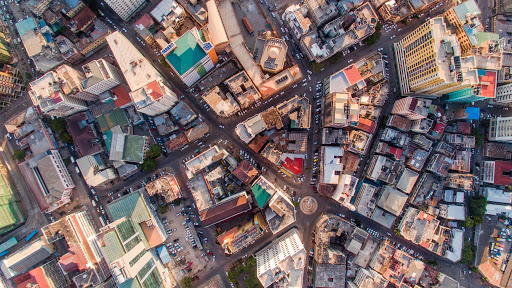
To get a better impression of the town we´re going to visit, I strongly suggest to check out this Instagram page that regularly posts content about life in the booming city of Dar Es Salaam, including popular attraction sites, popular street foods and restaurant recommendations.
Alternatively, to gain a visual insight on Tanzanian Lifestyle, I recommend having a look at this video:
Please note that the enlisted cultural patterns are the result of secondary ´desk´ research. They will, to a certain extent, prepare us for our Tanzanian visit project and our meetings with local businesses. However, accessing and experiencing cultural knowledge locally will help us gain deeper insights that will be far more beneficial and accurate for all aspects of our market entry plan.
 Investigating market opportunities in Tanzania for Ocho Chocolate Company