
Now that we have returned from our business trip to Dar Es Salaam, Tanzania´s largest and busiest city, it is now time to share our experiences and impressions. We met diverse people, had unique experiences and enjoyed the amazing local food. Although we are glad to be back home in our beautiful country, the city´s charm and its spectacular harbor and shopping malls are highlights that continue to linger in our minds.

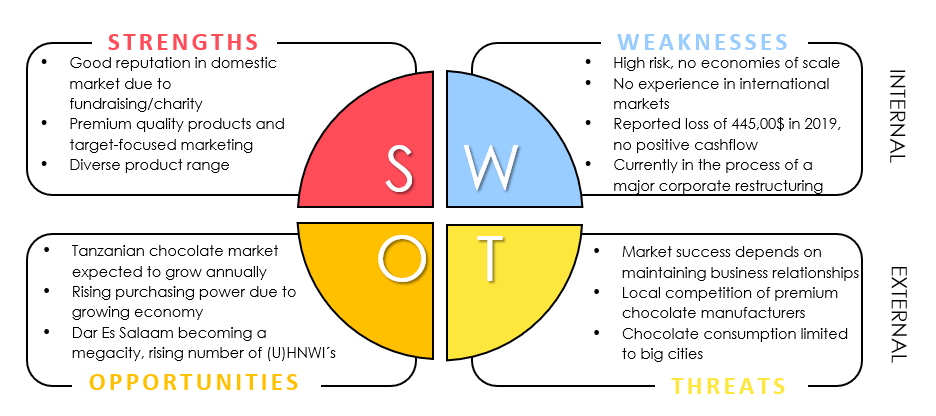
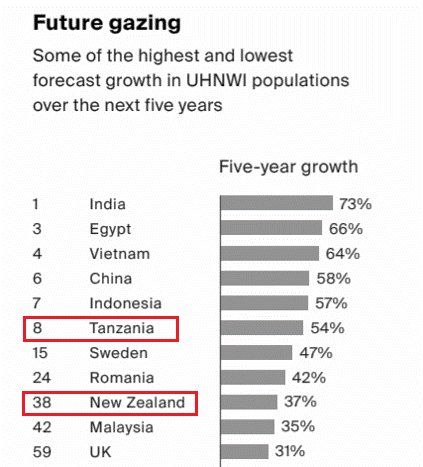
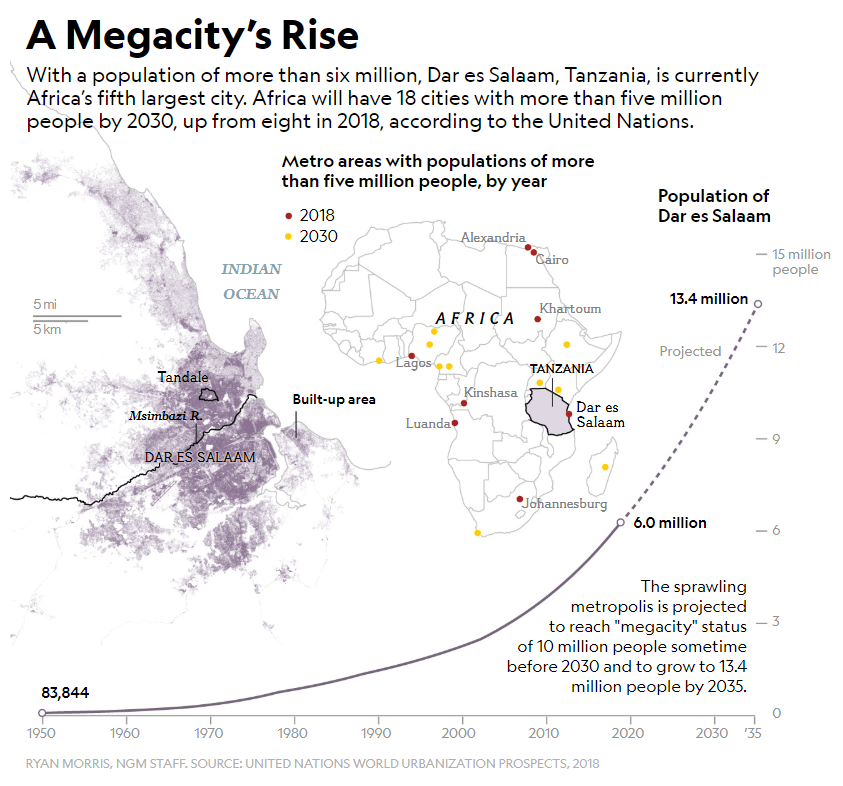
Our research had highlighted that Dar Es Salaam is the second-fastest-growing city worldwide, but it was difficult to imagine how that would look like. But once we arrived, the immense population and economic growth became evident. The city was extremely busy 24/7, with crowded streets and malls, the constant extension of infrastructure with construction sites on every corner and most importantly, the city was crawling with tourists from all around the globe. From low- to middle- to upper-, we came across natives from all social classes. However, we did notice that just like in most cities, middle- and upper-classes were located in the city center and in the quarters nearby the ocean. As these parts of Dar Es Salaam are also hotspots for tourists and contain high-end hotels, we found these areas most favorable for the purpose of selling our premium chocolate.
We also found visual confirmation for the demographic data indicating a young population, as the majority of the city seemed to be below 25, representing an attractive potential customer base for our company.
Just like in our country, the locals use the internet frequently and are on their cellphones browsing the world wide web most of the time. Social media presence is widespread, giving OCHO the opportunity to engage potential customers with e-marketing and offering a platform for the implementation of direct exporting.
We also evidenced the increasing purchasing power of locals, as we paid attention to their shopping carts in supermarkets. Against our expectations, they were not buying the cheapest brand or limiting their shopping to only necessary goods, but they did not hesitate to grab products from the upper shelves and bought several disposable goods such as hair care products, soft drinks and confectionery.
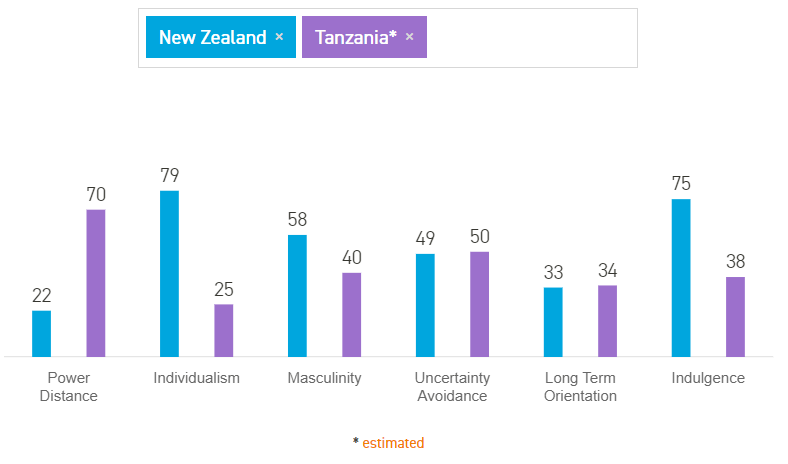
Now to the language aspect: Due to the touristic attractiveness of the city, most locals knew English and seemed to enjoy being able to communicate with visitors. However, I would like to point out that they seemed to be struggling with our language and always switched to Swahili when talking among themselves. The potential business partners we met up with were more fluent with English, but it was admittedly a little difficult to communicate with them with professional English designations, especially in discussions about terms and conditions of prospective contractual agreements.
Yes, the chocolate market is significantly smaller than ours in NZ. However, the forecasted annual growth by almost 12% still makes it an attractive market for our small company. We should additionally bear in mind the exponential population growth Dar Es Salaam is expected to have within the next few years, making it likely that the chocolate market will develop similarly in the ongoing megacity. A booming increase in demand for chocolate was also confirmed to us by retailers and business partners.
At this point, I would like to emphasize that our trips outside of the city showed that chocolate demand is majorly present in the big cities of the country, whereas in rural and semi-urban areas there is a lack of interest for these sweet delights. This is why OCHO should limit their focus for future business plans to Dar Es Salaam.
It has become evident that entering the market will benefit OCHO in many ways. The company will gain valuable strategic knowledge, increase their cultural sensitivity, build a deeper understanding of foreign markets and expand their network of business partners within an emerging city going through a substantial economic shift.
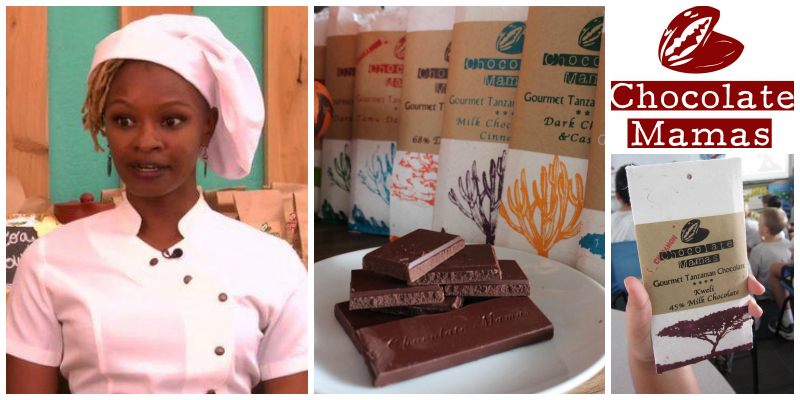
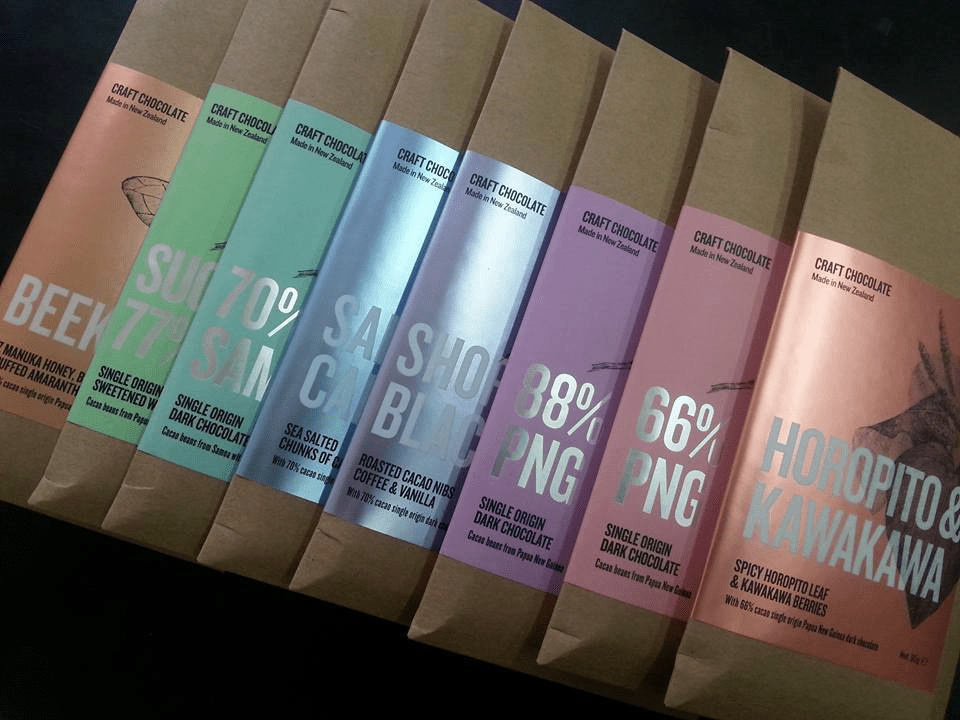
Nevertheless, the locals show tendencies towards choosing chocolate made of local cocoa beans to support the local farmers. Due to the strong national pride and support of the locals for Tanzanian farmers, I strongly suggest an entry with a new chocolate sort made of Tanzanian beans. Without this kind of sort, I do not see a bright future for OCHO in their local market, as we will most likely not be able to compete against local competition offering high-quality chocolate from local cocoa beans. Our advantages of special bean-to-bar technique and fair sourcing of our beans from the Pacific will not be sufficient if our products do not directly appeal to the Tanzanian culture. We were met with Kokoa Kamil regarding this matter and they are ready to strike a fair deal with us for their quality cocoa beans farmed from all around Tanzania. Since they have a prominent reputation within their country, having their brand name on the packaging of our new sort will draw additional attention to our products.
We can still send our original sorts along as well, but the Tanzanian cocoa sort is our ignition cord to attract the attention we need for initiating the first purchases of the locals. After raising awareness for our products, it will be crucial to continuously communicate the special values of our products, which I extensively described here.
For tourists, the Tanzanian bean sort would also be perceived as the more attractive variation. See it from their point of view: If you visit a country, you would want to purchase products with local ingredients rather than foreign, because you would want to achieve the best possible experience of the country, right?
Our products and labels have already been approved and certified by the TFDA, so that is one less formality to worry about. We found a reliable translator who is creating a Swahili text version of our label context which we can add below the English original.
Finding the right business partners proved to be a rather difficult task. We noticed that most of them were suggesting doing business with unpopular retailers and when we asked why they felt that this would be beneficial for our products, they could not give us a reasonable answer. Their counsel seemed biased and based on long-lasting relationships. One of them even admitted that the suggested business belongs to his cousin.
Nevertheless, we refused to give up and found a licensed local lawyer to address and minimize corruption in business deals and overcome bureaucratic obstacles. In addition, he also provided valuable information on businesses that can be trusted and thanks to him, we found several agents and retailers that had reliable and concrete suggestions with supporting numbers. They were also willing to share their essential market insights with us. The various inputs were compliant with each other, so we added them to our official travel report. We also received an overview of the estimated costs of import that we handed to our Finance department to calculate a suitable market price.
To achieve and maintain market success, it will be important to cultivate these relationships and confirm business contracts with our Tanzanian lawyer beforehand. This task will be time-consuming but manageable. Delegating our distribution and parts of our promotion to businesses that are already familiar with the cultural patterns and values is the right choice to achieve our first sales. Due to the low required investment and low overall risk of this entry mode, my recommendation of entering the market with direct and indirect Exporting would remain unchanged under normal circumstances.
But the current exceptional state of our world is anything but normal and the extent of the recent development of COVID-19 was not foreseeable during our business trip. Without a doubt, this pandemic will have a significant impact on the global economy, which is why I do not recommend initiating a market entry as of now.
Let us maintain tied business relationships and closely monitor international economic development. If our world recovers from the pandemic within the next year and there are no crucial changes in the Tanzanian market that would imply for OCHO to abjure their market entry, I recommend planning for entry in June 2021. Why June out of all months? That month is the start of the touristic season in Dar Es Salaam. Increasing our chances of successful market entry by waiting for a time period when 1,5 million people enter the potential customers pool can certainly do no harm.






 Investigating market opportunities in Tanzania for Ocho Chocolate Company